
Cheltenham Festival Betting Tips: Form Angles and Value for the 2026 Meeting
 Available in US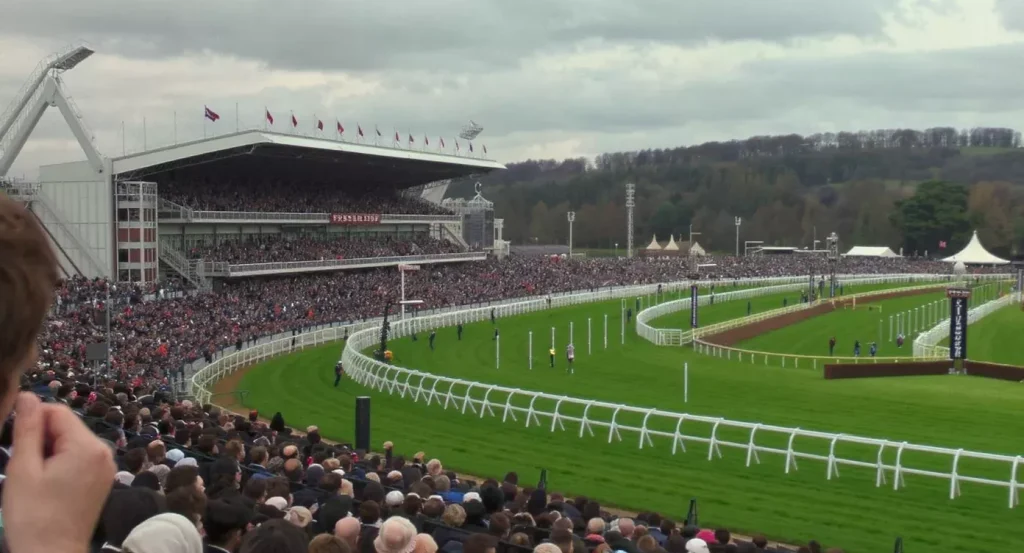
Contents
Why Cheltenham Is the Week That Shapes the Betting Calendar
There is a moment on the first Tuesday in March when the roar from the Cheltenham stands reaches the commentary box, and for a few seconds you cannot hear anything else. I have been at Prestbury Park for eight of the last nine Festivals, and that sound still raises the hairs on my arms. It is the closest thing horse racing has to a cup final, and for punters, it is the single most important week of the year.
The numbers confirm what the atmosphere suggests. UK racing attendance hit 5.031 million in 2026 — the highest since 2019 — and Cheltenham accounts for a disproportionate share of that figure across just four days. Betting participation among UK adults spikes to around 7% during the major festival months, nearly double the 4% seen in quieter periods like October. Alan Delmonte, Chief Executive of the Horserace Betting Levy Board, noted that the February and March 2026 period saw bookmakers’ gross profits well above recent norms, with the Cheltenham Festival having a significant impact on yield — a reflection, he said, of the essential unpredictability of the sport.
That unpredictability is precisely what makes Cheltenham such fertile ground for value betting. Big fields, testing conditions, and the pressure of championship racing produce results that the market does not always price correctly. The bookmaker who writes up a 28-runner handicap hurdle on the Wednesday is building in a margin, but they are also guessing — and their guesses are no more reliable at Cheltenham than yours, provided you have done the work.
Ante-Post Value: When to Bet Before the Festival
I placed my best-ever Cheltenham bet in November, four months before the meeting. The horse was 25/1 in the ante-post market for a Grade 1. By the time declarations came, it was 8/1. Nothing had changed except that the rest of the market had caught up with what the form already showed. That price compression — from 25/1 to 8/1 — represented pure value that was only available because I was willing to take the non-runner risk months in advance.
Ante-post betting on Cheltenham is a different discipline from day-of-race betting. You are trading certainty for price. If the horse does not make it to the Festival — injury, change of plan, wrong ground — your stake is gone. There is no refund unless you specifically take a non-runner-no-bet offer, which will always come at shorter odds. The question is whether the price advantage compensates for that risk, and the answer depends on timing.
The best ante-post windows, in my experience, are late October to early December and then a brief window in late January. The autumn window captures horses early in their campaigns when the market has not yet fully formed. A strong run in a November Grade 2 can halve a horse’s Cheltenham price overnight, so getting on before those prep runs is where the biggest edges sit. The January window opens when the five-day entries give the first concrete indication of which race each trainer is targeting; any surprises in the entry stage can create a temporary mispricing before the market adjusts.
Overall turnover on British horse racing fell 4.2% in the first three quarters of 2026 relative to 2026, with declines even sharper against 2023 levels. But Cheltenham bucks the trend every year. The concentration of betting activity into four days means liquidity is high, markets are deep, and the ante-post prices are more competitive than at any other point in the jumps calendar. That depth works in your favour as a punter because it reduces the spread between what you can get and what the true probability should be.
Key Races and Form Trends to Watch
Every Festival has its headline races — the Champion Hurdle, the Queen Mother Champion Chase, the Stayers’ Hurdle, the Gold Cup — but the value often hides elsewhere. The handicaps on Wednesday and Thursday routinely produce bigger-priced winners than the championship events, because the field sizes are larger and the form is harder to parse. I focus my strongest bets on these races and treat the Grade 1s as each-way puzzles rather than win-bet certainties.
A form trend I track every year: horses running at Cheltenham for the first time. The track has a unique topography — the undulations, the hill finish, the Old Course versus the New Course configurations — and horses that have never encountered it can either thrive or flounder. Course form at Cheltenham is more predictive than at almost any other British venue, which means a horse returning after a good Festival run twelve months earlier carries a statistical edge that the market sometimes underweights.
Trainer patterns are another angle. Certain yards target specific Cheltenham races year after year, placing horses in the same slot with remarkable consistency. When a trainer who has won a particular race three times in the last decade enters a horse with the right profile, that historical pattern is worth more than a morning’s worth of form study. The preparation route matters too: horses coming through the Leopardstown Christmas meeting or the Dublin Racing Festival in February have traditionally performed well at Cheltenham, partly because the Irish form is strong and partly because those meetings serve as genuine trials for the Festival targets.
Ground conditions at Cheltenham are notoriously variable. A dry spell in the week before can firm the ground dramatically, disadvantaging the mud-lovers who dominate Irish form. A wet week can turn it into a slog that favours stamina over speed. I do not commit fully to a Cheltenham portfolio until the seven-day forecast is available, because a single weather shift can rearrange the value landscape entirely. For a broader look at how conditions affect National Hunt results beyond the Festival, the Grand National value guide covers similar terrain at Aintree.
Managing Your Bankroll Across Four Days
Cheltenham is four days long, with seven races per day. That is 28 races, and the temptation to bet on all of them is real — especially when you are at the track, the atmosphere is electric, and the next race is only thirty minutes away. I have made the mistake of over-betting on day one and arriving at the Gold Cup on Friday with a depleted bank and no room to stake properly on my strongest selection of the week.
My approach now is to allocate a fixed Festival bank and divide it unevenly across the four days. I commit roughly 20% to Tuesday, 25% to Wednesday, 25% to Thursday and 30% to Friday. The weighting towards the end reflects two things: first, the Gold Cup and the other Friday features tend to have the highest-quality fields and the most reliable form; second, by Thursday evening I have seen three days of racing and absorbed how the ground is riding, which trainers are in form, and which jockeys are riding with confidence. That information improves my Friday selections in a way that no amount of pre-Festival study can replicate.
Within each day, I cap myself at three or four bets. If I cannot find three races where I have a genuine opinion, I bet on fewer. The worst thing you can do at Cheltenham is force a bet into a race you have not studied just because the crowd is cheering and the bookmakers are shouting. A watching brief on a race you do not understand is always better than a speculative tenner thrown at a horse because someone at the bar mentioned its name.
One more practical point: take your prices early. Cheltenham morning prices move fast once the betting shops open and the exchanges start trading. If you have done your ante-post work and your day-of-race analysis, lock in the price as soon as it appears. Waiting for a drift that never comes is how you end up taking a worse number than the one you saw at breakfast.
