
Horse Racing Betting Without Restrictions: Why Accounts Get Limited and What to Do
 Available in US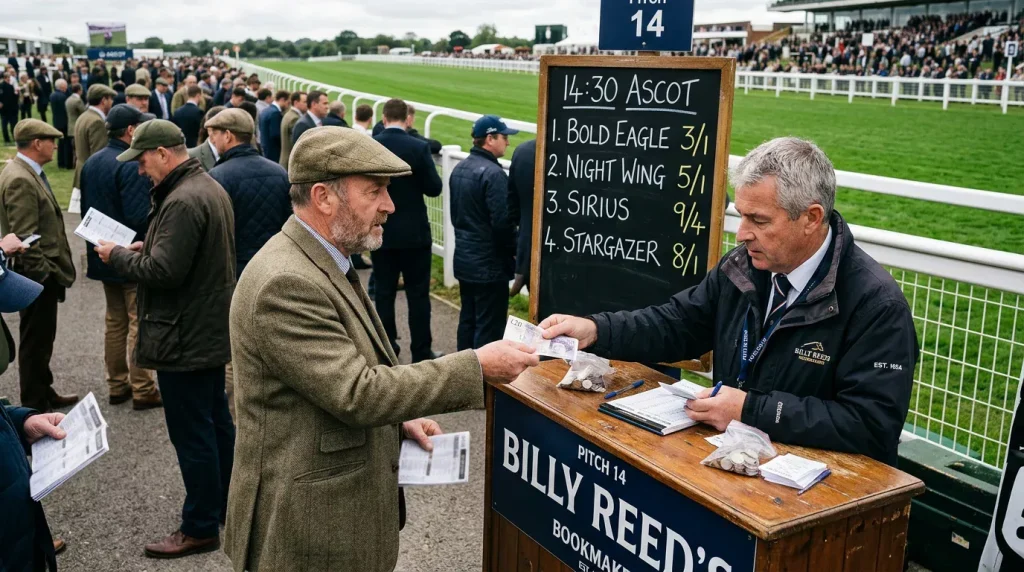
Contents
Winning Consistently Can Get Your Account Restricted — Here Is Why Bookmakers Do It
I backed three winners at Doncaster on a Saturday afternoon, all at prices between 4/1 and 8/1. By Monday morning, my maximum stake with that bookmaker had dropped from £500 to £2.47. No email, no warning, no explanation — just a silent algorithmic decision that my account was no longer welcome at meaningful levels. If you have bet on horse racing for any length of time and had any success at all, you know this experience. It is called “gubbing,” and it is the industry’s open secret.
Bookmakers are commercial businesses, and their model depends on the majority of customers losing. When a punter demonstrates a pattern of winning — beating the closing line, consistently taking early value, or showing a positive return over hundreds of bets — the bookmaker’s systems flag that account for review. One major operator reportedly lost 94% of its VIP clients after implementing strict financial and profitability checks, an extreme example of how aggressively the industry moves to protect its margins. Horse racing GGY across UK remote betting totals £766.7 million, and bookmakers guard every fraction of that by managing the accounts that threaten to erode it.
Profiling Algorithms and Trigger Patterns
What actually gets your account flagged? I have been restricted by three different bookmakers over the years, and the patterns are consistent enough to describe.
Taking early prices that subsequently shorten is the single biggest trigger. If you back a horse at 10/1 in the morning and it goes off at 4/1, the bookmaker’s system records that as a sharp bet. Do it repeatedly and the algorithm marks you as someone who consistently identifies value — which, from the bookmaker’s perspective, means someone who consistently costs them money. It does not matter whether you are following tips, using your own form analysis, or just getting lucky. The system reads the outcome, not the method.
Withdrawing profits regularly without reinvesting them is another flag. Bookmakers prefer customers who recycle their winnings through the account, generating turnover that eventually returns to the house. A punter who deposits £100, wins £400, withdraws £350 and repeats the cycle is commercially unattractive — the money leaves before the law of averages can reclaim it.
Using bonus offers and promotions without corresponding recreational activity also accelerates restriction. If your account shows a pattern of depositing only when free-bet offers are available, placing qualifying bets at minimum odds and then extracting the value, the system reads that as promotional exploitation rather than genuine betting interest. I know punters who have been restricted within weeks of opening an account purely because their first ten bets were all free-bet qualifiers with no follow-up recreational activity.
Practical Steps to Reduce Restriction Risk
The HBLB noted that risk-based financial checks are having a particular effect on higher-staking customers. Restrictions hit hardest at the mid-level — bettors staking £50 to £500 per race who show consistent competence. The very small stakers fly under the radar; the very large ones often have negotiated VIP terms. The middle ground is where the restrictions bite.
Several habits reduce your exposure. Placing occasional bets on other sports — football, tennis — breaks the pattern of a racing-only account and makes your profile look more recreational. Mixing win bets with each-way, forecast and accumulator wagers adds variety that automated systems interpret as recreational behaviour. Avoiding consistently taking the top price across all your bookmaker accounts on the same horse is important — if the same account always appears on the wrong side of a market move, the system notices.
None of this guarantees indefinite access. If you are genuinely good at finding value, the numbers will eventually catch up and the restriction will come. The goal is to extend the window of full-access betting for as long as possible, because every unrestricted bet at fair value is an opportunity that a restricted account can never replicate.
Alternatives When Restricted: Exchanges, Tote and On-Course Betting
When the restrictions land, the question is where to go. The most obvious alternative is betting exchanges. Exchanges do not restrict winning accounts because they do not take the other side of your bet — they match you with another customer. The commission structure means the exchange profits regardless of who wins, so there is no commercial incentive to limit successful bettors. The trade-off is liquidity: exchange markets on racing are deep for the bigger meetings but can be thin for midweek cards, and getting matched at the price you want on a Wednesday at Catterick is not always straightforward.
The Tote offers another route. Pool betting calculates dividends from the total money wagered, and the Tote does not profile individual bettors. Your money enters the pool anonymously, and the dividend you receive depends on the collective behaviour of all other punters, not on your personal track record. For the reasons I explored in the affordability checks guide, understanding how pools work gives restricted bettors a functional alternative to fixed-odds markets.
On-course betting remains the most restriction-free environment. Racecourse bookmakers operate with cash, set their own prices, and do not maintain the customer databases that power online restriction algorithms. Walking up to a rails bookmaker at Cheltenham with cash and asking for a price is the most traditional form of horse racing betting, and it is the one environment where your identity and track record are irrelevant. The limitation is geographical — you need to be at the racecourse — but for punters who attend regularly, it is the cleanest way to bet at full value.
