
Responsible Gambling and Horse Racing: Tools, Limits and Where to Get Help
 Available in US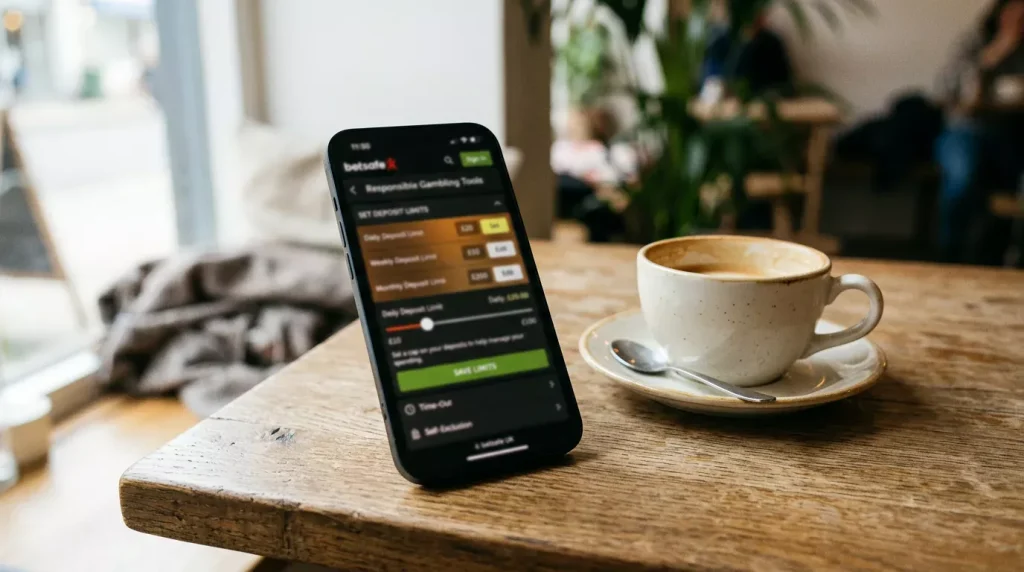
Contents
Betting on Horse Racing Should Be Entertainment — These Tools Help Keep It That Way
I have watched friends lose more than they planned at a race meeting and shrug it off as part of the day out. For most of them, it was. A £50 loss on a Saturday at Ascot is the price of an afternoon’s entertainment, no different from a concert ticket or a round of golf. But I have also watched one friend chase that £50 loss with a £200 bet in the last race, and then chase that loss the following week, and the week after that. The line between entertainment and compulsion is not always visible until you are on the wrong side of it.
The problem gambling rate among horse racing bettors sits at 2.8% based on PGSI and DSM-IV criteria — below the industry average for gambling products overall. That is a reassuring number at a population level, but it means nothing to the individual sitting in front of a screen at midnight trying to make back what they lost at Cheltenham. Nearly half of UK adults — 48% — have placed some form of bet in the preceding four weeks, and within that vast pool, a small but significant number are betting beyond their means.
Deposit Limits, Session Timers and Reality Checks
Every UKGC-licensed bookmaker is required to offer deposit limits. You can set a daily, weekly or monthly cap on how much money you can add to your account, and once that limit is reached, the account will not accept further deposits until the period resets. I set a monthly deposit limit on every bookmaker account I use, not because I consider myself at risk, but because it removes the possibility of an impulsive deposit after a bad afternoon. The limit enforces the discipline that willpower alone does not always provide.
Session timers and reality checks work differently. A reality check is a pop-up notification that appears at intervals you choose — every 30 minutes, every hour, every two hours — telling you how long you have been logged in and how much you have spent. It does not prevent you from continuing, but it breaks the flow. That interruption can be enough to trigger a reassessment. Did I mean to spend £150 on a Tuesday evening? No, I meant to place two bets and log off. The reality check caught the drift before it became a problem.
Loss limits and wager limits are also available on most platforms. A loss limit caps the total amount you can lose within a set period, automatically freezing betting activity when the threshold is hit. A wager limit caps the total amount staked, regardless of outcomes. These tools are underused — most punters never configure them — but they are the simplest way to ensure that a losing streak does not escalate into a financial crisis.
GamStop and Bookmaker Self-Exclusion Explained
GamStop is the UK’s national self-exclusion scheme. When you register with GamStop, you choose a minimum exclusion period — six months, one year or five years — during which all UKGC-licensed online gambling operators are required to block your account. It covers every regulated bookmaker, casino and bingo site. You cannot place a bet, make a deposit or even log in during the exclusion period.
Self-exclusion through individual bookmakers works on a smaller scale. You can ask any single bookmaker to exclude you from their platform without registering with GamStop. This is useful if your issue is specific to one operator — perhaps a particular site’s interface or promotional approach triggers heavier betting. Individual self-exclusion does not affect your accounts elsewhere.
What both options share is that they are easier to activate than to reverse. GamStop exclusions cannot be shortened once they are in place. If you register for a five-year exclusion and change your mind after six months, you wait. That rigidity is deliberate — it protects against the impulsive decision to return during a moment of temptation. When the exclusion period ends, reactivation is not automatic; you must actively apply to rejoin, and there is a 24-hour cooling-off period before access is restored.
Where to Get Help: UK Resources
If betting has moved from entertainment to something that causes anxiety, financial pressure or strained relationships, help is available and confidential.
The National Gambling Helpline, operated by GamCare, is available on 0808 8020 133 and offers free, confidential advice and support. The helpline is staffed by trained advisors who understand the specific dynamics of gambling-related harm, including the racing-specific patterns of chasing losses around festival periods and building debt through sustained daily betting.
GamCare also provides online chat support and a network of face-to-face counselling services across the UK. For punters who prefer digital support, the Gordon Moody Association runs residential treatment programmes and online therapy groups specifically designed for people whose gambling has become unmanageable. Gamblers Anonymous holds meetings across the country and follows a peer-support model similar to other twelve-step programmes.
For financial advice specifically related to gambling debt, StepChange provides free debt counselling and can help negotiate with creditors. The affordability check framework was partly designed to catch financial stress early, but no automated system replaces the value of speaking to a trained professional when the numbers stop adding up.
The single most important thing I can say in this section is that seeking help early is not a sign of weakness. It is the same rational, evidence-based decision-making that good betting demands — recognising when the odds are against you and acting before the losses compound.
